The World’s Greatest Open-Air Museum

LUXOR

Luxor

The World’s Greatest Open-Air Museum

Luxor occupies the site of ancient Thebes, once the political and religious capital of Egypt at the height of its power. No destination in the world preserves such a dense concentration of ancient monuments. Luxor is not simply a city, it is a sacred landscape shaped by belief in life, death, and eternity.
Ancient Egyptians divided Luxor symbolically: the East Bank represented life and worship, while the West Bank symbolised death and the afterlife. This belief shaped every monument built here.

Karnak Temple

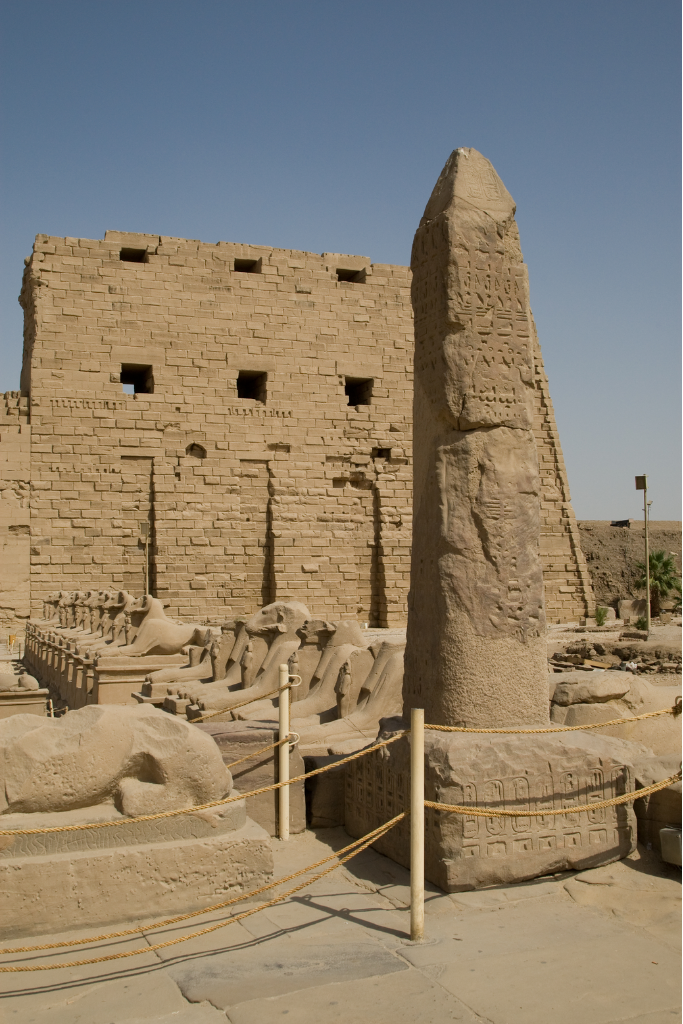
Karnak Temple is the largest religious complex ever constructed. Built and expanded over nearly 2,000 years, it reflects the ambition of successive pharaohs who sought divine legitimacy.
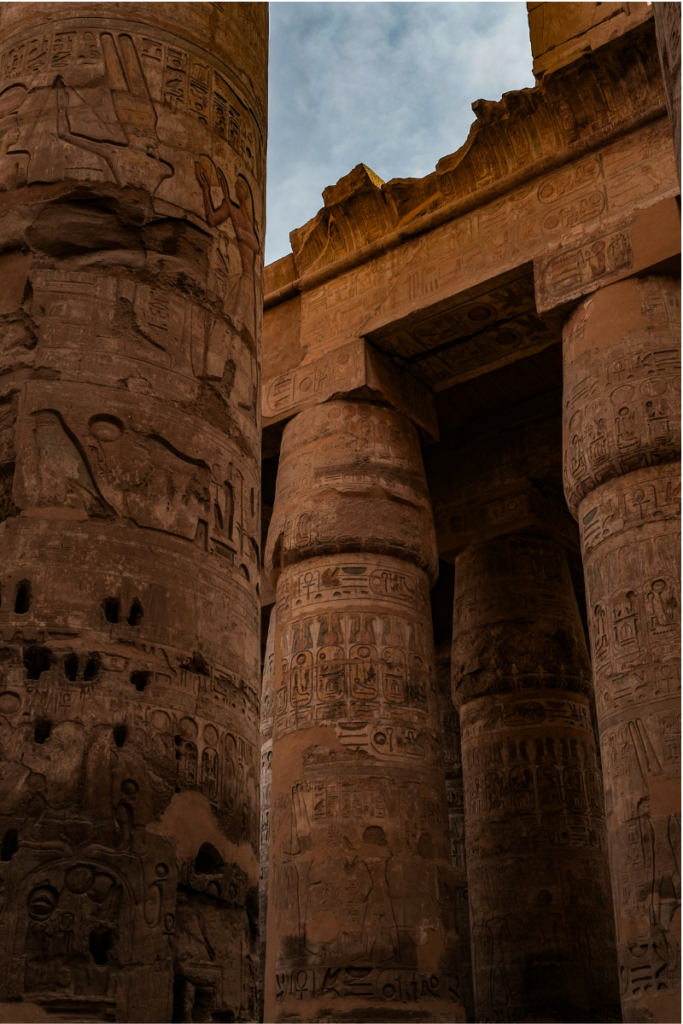
The Great Hypostyle Hall, with 134 massive columns, overwhelms visitors with scale and symbolism. Every wall and column was once brightly painted, reinforcing Karnak’s sacred importance.

Luxor Temple

Luxor Temple differs from most Egyptian temples in purpose. Rather than funerary rituals, it was dedicated to royal renewal and kingship ceremonies.
Located in the modern city, Luxor Temple uniquely bridges ancient ritual and contemporary life. At night, illumination transforms it into one of Egypt’s most atmospheric sites.

Temple of Hatshepsut

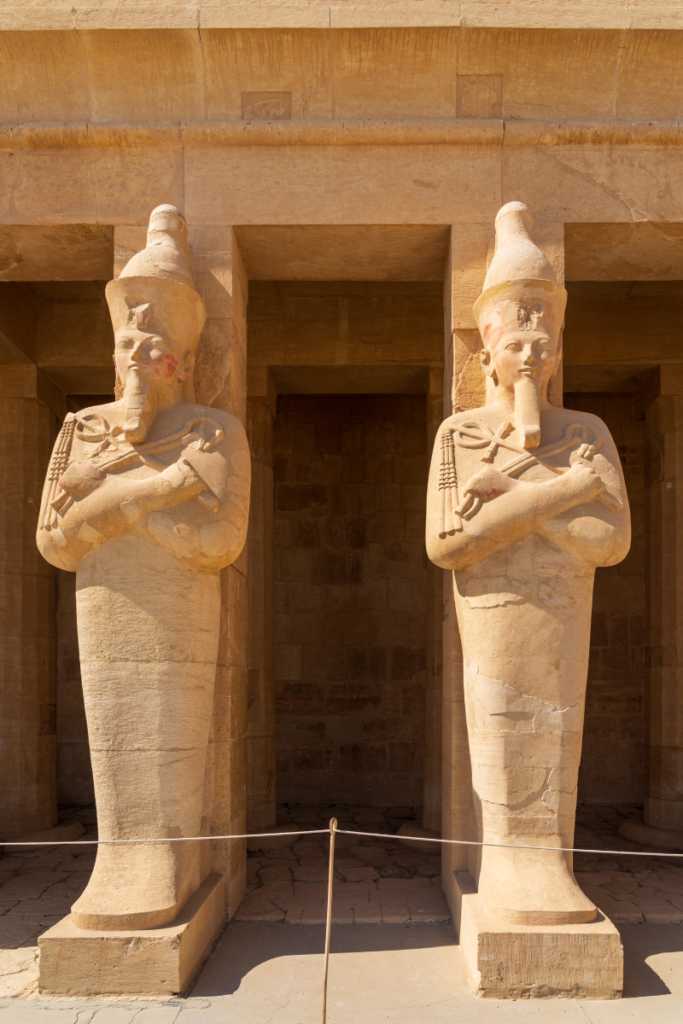
Built for Egypt’s most successful female ruler, the Temple of Hatshepsut represents architectural innovation and political intelligence. Its terraced design rises harmoniously against the cliffs of Deir el-Bahari.
Reliefs narrate her reign, divine legitimacy, and trade expeditions, offering insight into leadership and propaganda in ancient Egypt.

Valley of the Kings

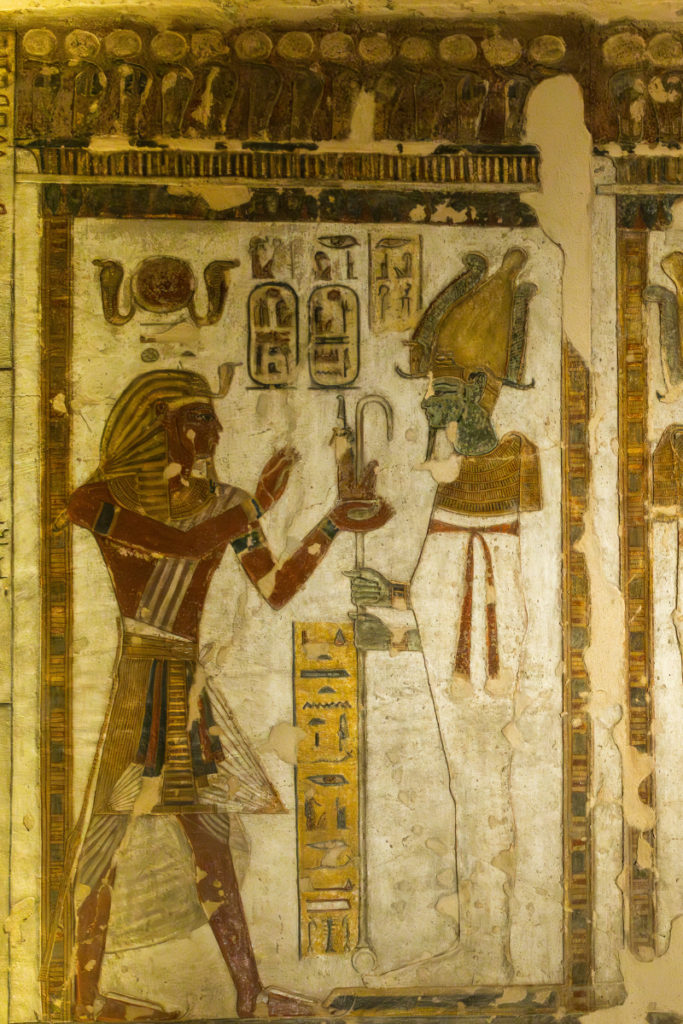
The Valley of the Kings served as the royal burial ground for New Kingdom pharaohs. Hidden beneath desert cliffs, the tombs were decorated with sacred texts guiding the soul through the afterlife.
The discovery of Tutankhamun’s tomb here remains one of archaeology’s greatest moments.

Things to Do in Luxor (Must-Do Experiences)

  • Walk through the Hypostyle Hall to experience divine architecture

  • Visit Luxor Temple after sunset

  • Explore royal tombs with contextual explanation

  • Observe the Nile from the West Bank

  • Attend the Karnak Sound & Light Show
  •  

FAQs – Luxor

Is Luxor mainly for history lovers?
Yes, but its scale impresses all travellers.

How many days are recommended?
Two to three days minimum.

How Noble Travel Enhances the Luxor Experience

Noble Travel structures Luxor visits by bank, manages heat exposure, and provides expert Egyptologists to explain symbolism rather than just facts.