Egypt’s Southern Soul and the Calm Heart of the Nile

ASWAN

Aswan

Egypt’s Southern Soul and the Calm Heart of the Nile

Aswan represents a very different side of Egypt calmer, slower, and more personal. Located at Egypt’s southern frontier, Aswan has historically served as the gateway between Egypt and Africa. Its geography, culture, and pace set it apart from the monumental intensity of Cairo and Luxor.
Here, the Nile flows gently around granite islands and palm-lined banks, creating a landscape that feels timeless. Aswan’s identity is deeply shaped by Nubian culture, ancient trade routes, and its role as a strategic frontier city. For travellers, Aswan offers space to breathe, reflect, and experience Egypt beyond grand monuments.

Historical & Cultural Significance of Aswan

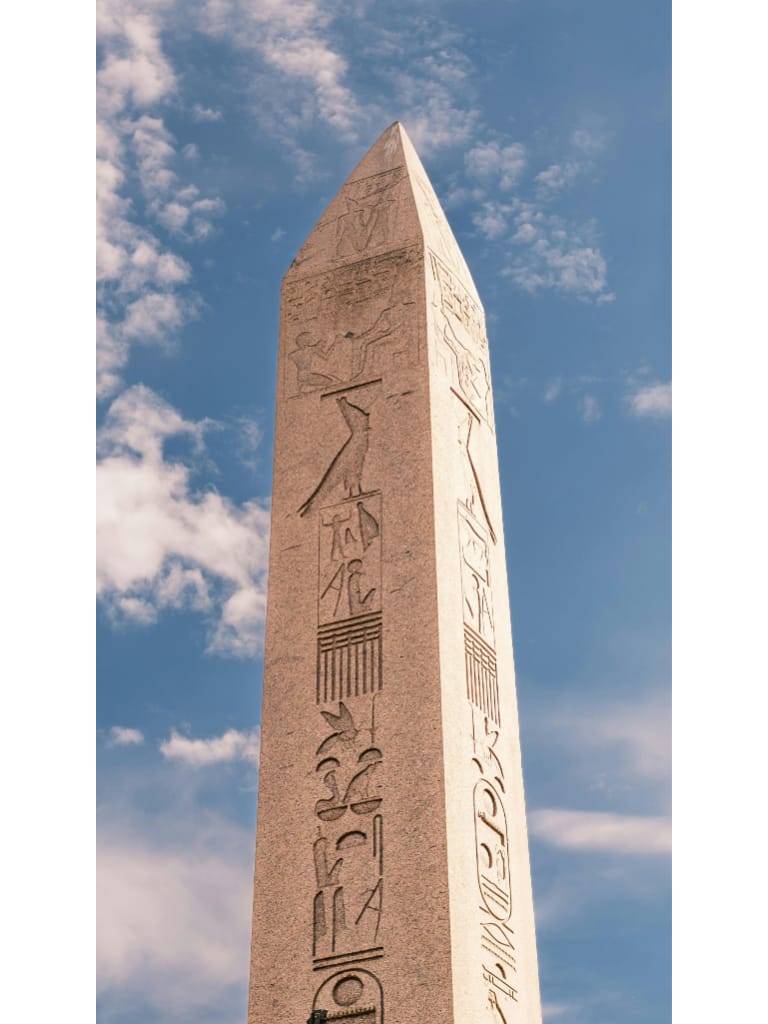
In ancient times, Aswan was known as Swenet and marked Egypt’s southern boundary. It was a major trading hub connecting Egypt with Nubia and sub-Saharan Africa. Granite quarried from Aswan was transported north to build obelisks, statues, and temples across Egypt, including those in Luxor and Cairo.
Aswan’s people, traditions, and architecture are strongly influenced by Nubian heritage. This cultural continuity makes Aswan one of the most authentic and culturally rich destinations in Egypt.

Philae Temple

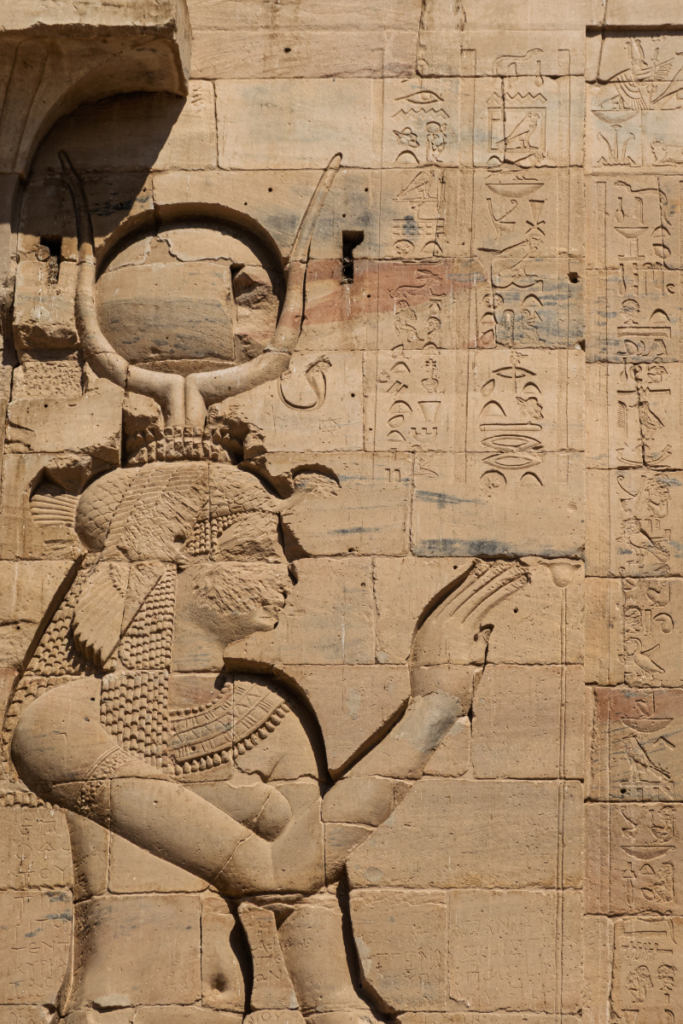
Philae Temple is one of Egypt’s most atmospheric religious sites. Dedicated to the goddess Isis, it was a major pilgrimage centre during the late Pharaonic and Greco-Roman periods. When the Aswan High Dam threatened to submerge the temple, it was relocated stone by stone to a nearby island one of the greatest international heritage rescue efforts ever undertaken.
Reaching Philae by boat enhances its sense of isolation and sanctity, making the visit both scenic and spiritual.

Abu Simbel

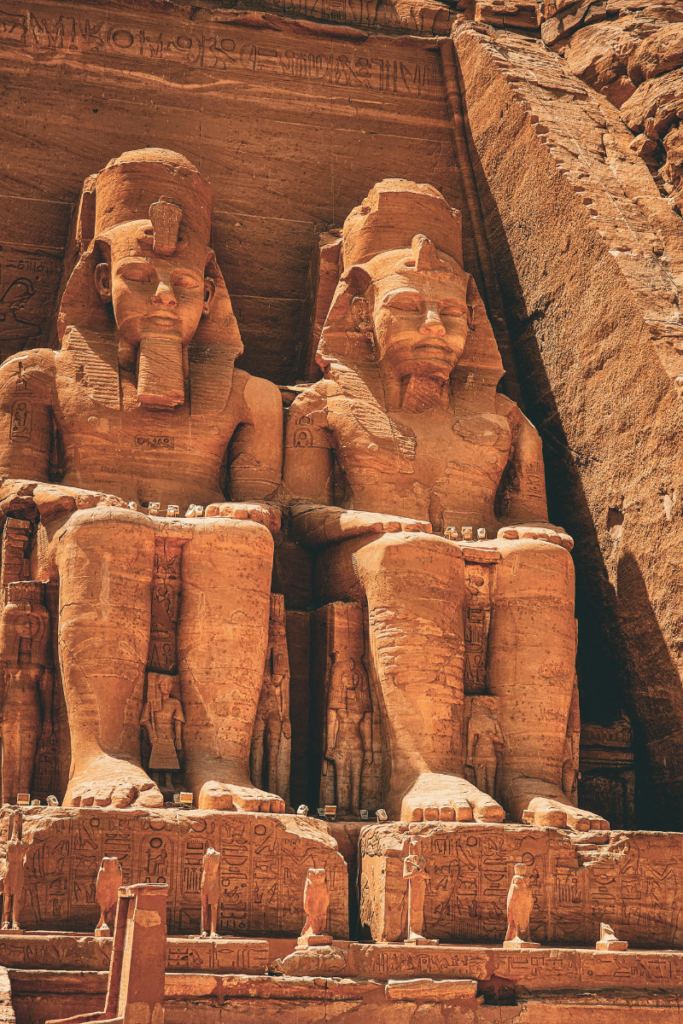
The rock temples of Ramses II at Abu Simbel are among Egypt’s most powerful monuments. Carved directly into sandstone cliffs, the temples celebrate royal authority, divine kingship, and military triumph.
Twice a year, sunlight penetrates the temple to illuminate the inner sanctuary, a testament to ancient Egypt’s astronomical precision. The relocation of Abu Simbel in the 1960s remains one of the greatest achievements in archaeological preservation.

Unfinished Obelisk

The Unfinished Obelisk offers rare insight into ancient Egyptian engineering. Left in the granite bedrock due to a crack, it reveals how massive stone monuments were carved and shaped. Had it been completed, it would have been the largest obelisk ever erected.

Nubian Culture

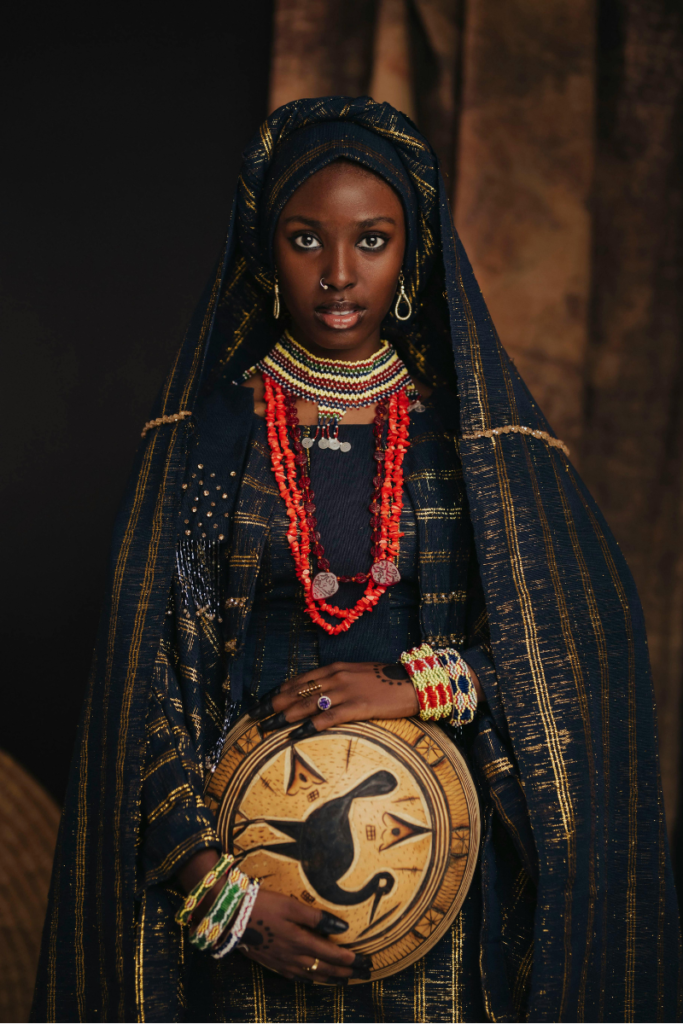
Aswan is the cultural heart of Nubian Egypt. Colourful villages, distinctive architecture, music, language, and hospitality reflect traditions that predate many Pharaonic monuments.
Visiting Nubian communities provides cultural depth and human connection beyond archaeology.

Things to Do in Aswan (Must-Do Experiences)

  • Aswan is best experienced slowly and intentionally.

    • Sail on a traditional felucca at sunset, drifting between granite islands as the Nile reflects the changing sky
    • Visit Nubian villages, learning about local customs, food, and daily life
    • Take the early journey to Abu Simbel, witnessing one of Egypt’s most awe-inspiring monuments
    • Walk along the Nile Corniche, enjoying Aswan’s relaxed rhythm and river views
    • Explore local markets, where Nubian and southern Egyptian influences are clearly visible

    These experiences make Aswan ideal for travellers seeking calm, culture, and authenticity.

FAQs – Aswan

Is Aswan suitable after visiting Cairo and Luxor?
Yes. It provides the perfect contrast peaceful, scenic, and culturally rich.

Is Aswan mainly historical or cultural?
Both, but its strength lies in living culture rather than monument density.

How many days are ideal in Aswan?
Two to three days allow for sightseeing and relaxation.

How Noble Travel Enhances the Aswan Experience

Noble Travel understands Aswan’s pace and cultural sensitivity. We manage early departures to Abu Simbel, coordinate boat transfers to island temples, and arrange authentic Nubian encounters ensuring comfort without losing authenticity.